The most important details are often found in the policy wording: third-party liability limits, hull insurance, pollution liability, crew negligence, wreck removal, salvage and the basis used to replace damaged parts.
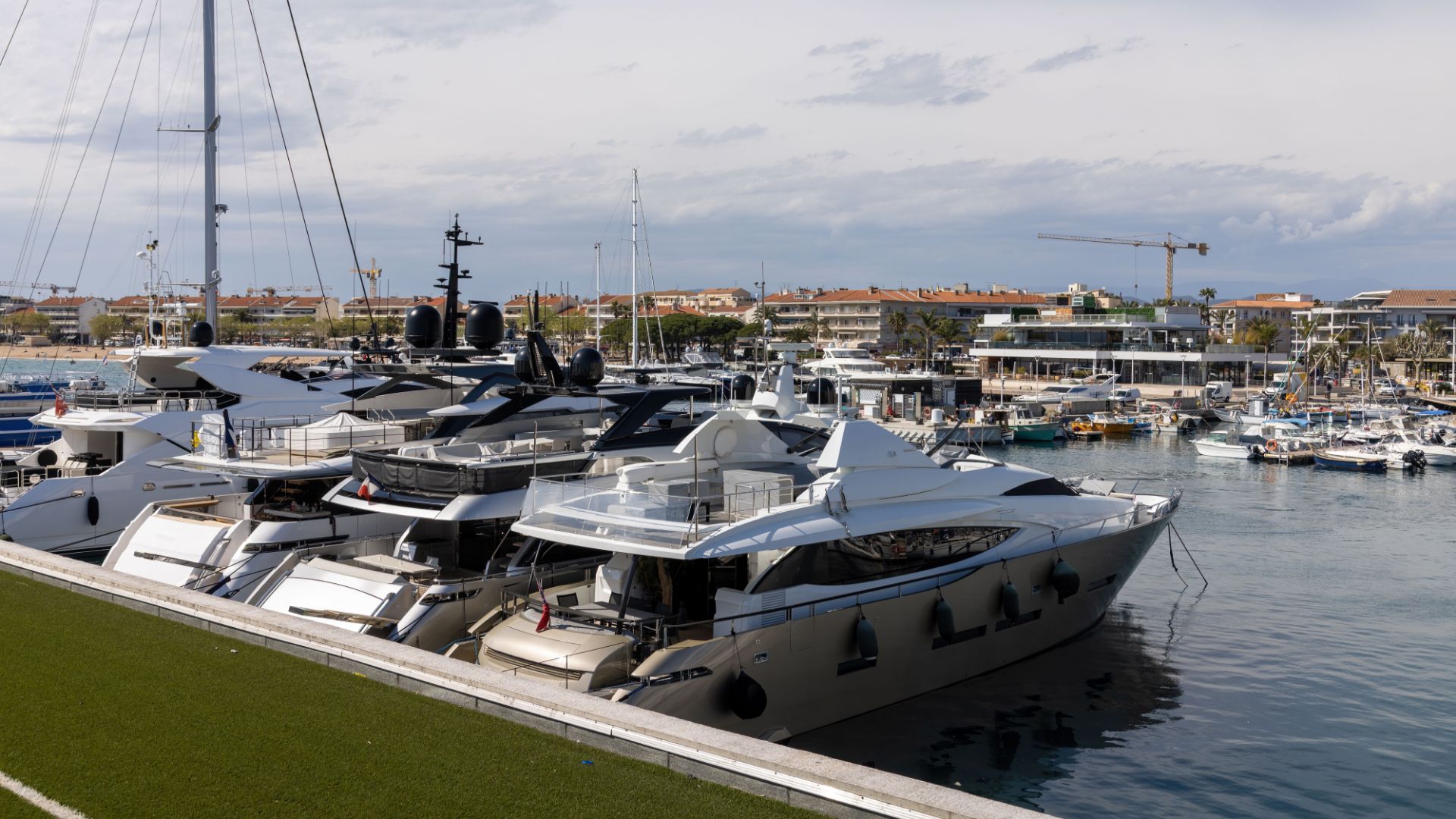
Third-Party Liability: Check the Limit, Not Only the Premium
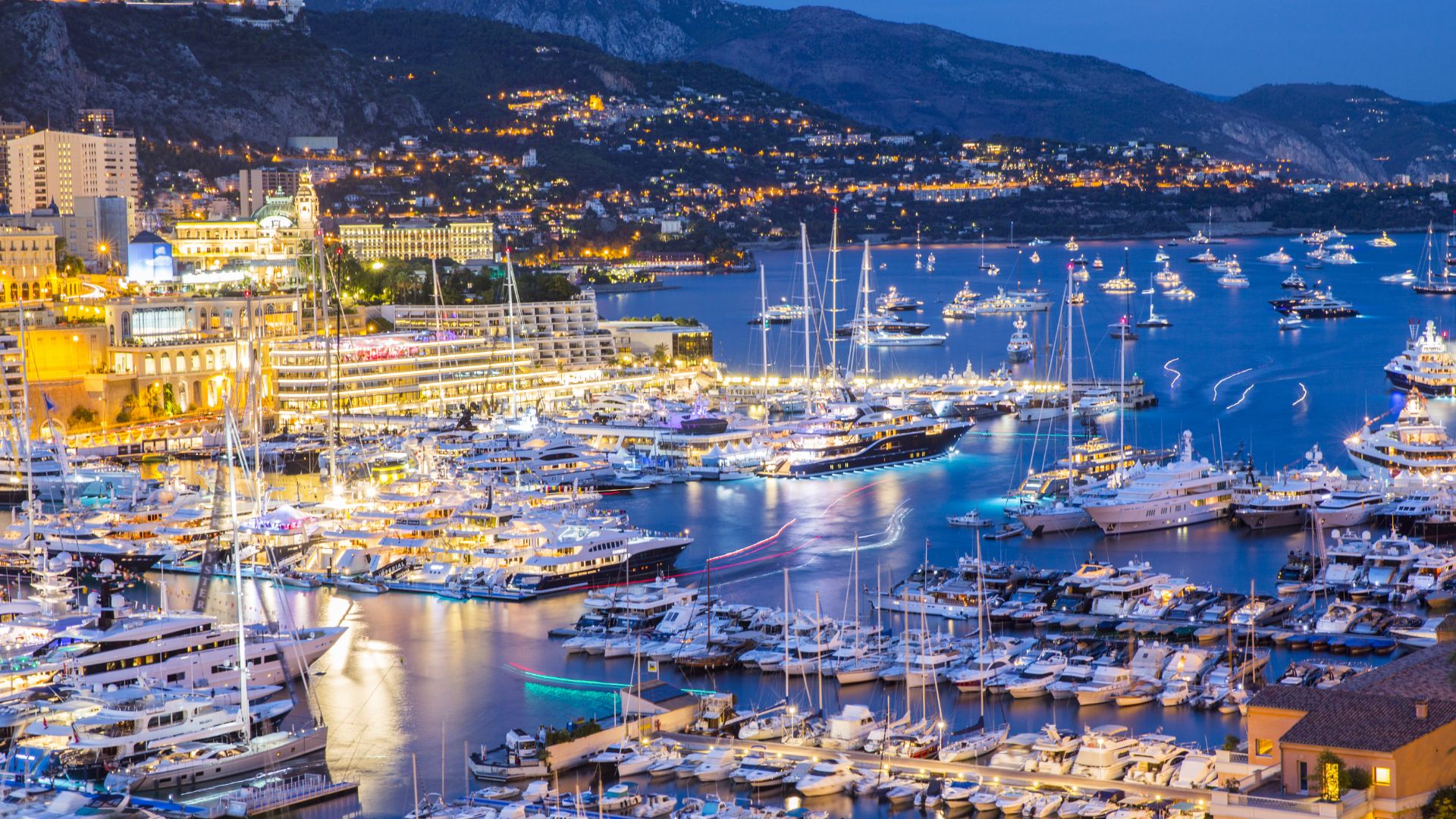
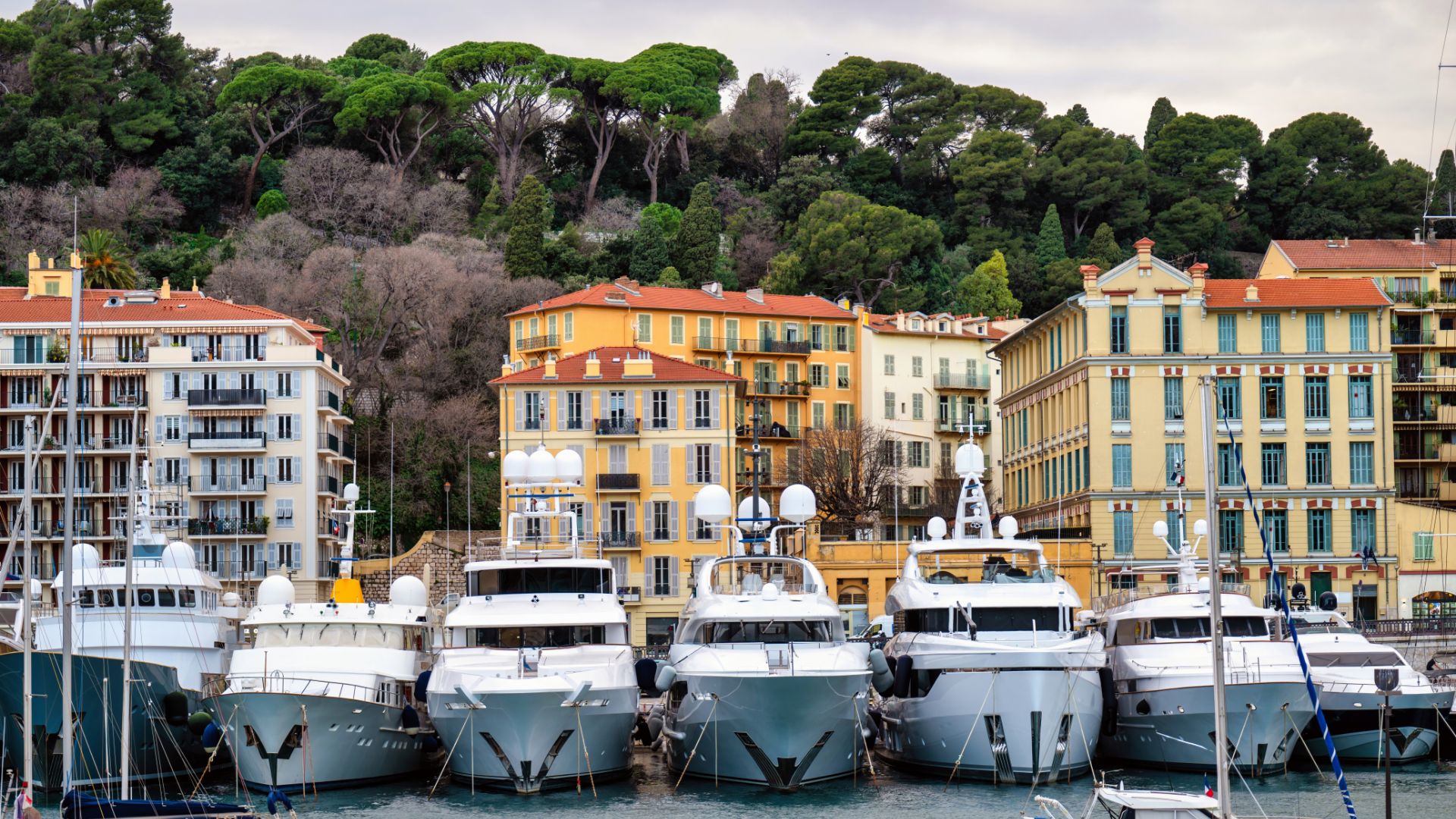
If a fire from your yacht damages other vessels in a marina, the policy can respond only up to its third-party liability limit. Any amount above that limit may remain the owner’s responsibility.
The guidance provided recommends a liability limit of at least €5M and preferably €10M. The real question is therefore not simply how much the policy costs, but how much financial protection it provides when several parties are affected.
Per Yacht or Per Event?
When multiple yachts are damaged in the same incident, a limit defined separately for each yacht may be insufficient. The policy should include a total limit that applies per event, and the wording should state clearly how that limit is calculated.
Hull Insurance and Fires Starting from a Neighbouring Yacht
If a fire starts on a neighbouring yacht and damages yours, protection depends on having full insurance. Under this structure, the insurer pays the covered loss first and then seeks recovery from the responsible party.
Marina Fire, Pollution and Electrical Risks
Coverage for marina fires, pollution and electrical risks should never be assumed. A marina fire may be paid by the insurer first and later pursued against the marina, while fuel spills and environmental damage require pollution liability coverage.
Electrical fires must also be explicitly included in the policy. If a risk is not written into the wording, it should not be treated as covered.
Wreck Removal and Salvage Costs
If a yacht sinks, a marina or public authority may require the wreck to be removed. The cost of removal can exceed the value of the yacht itself, and salvage expenses create an additional financial exposure.
The policy should cover both wreck removal and salvage in addition to the hull value, rather than absorbing these costs within the same insured amount.
New for Old or Market Value?
Policies may use two different approaches when damaged parts need to be replaced:
· New for Old: Full replacement cost is paid.
· Market Value: Depreciation is applied to the replacement amount.
For owners seeking full replacement without a depreciation deduction, New for Old is the stronger option identified in the supplied guidance.
Is Crew Negligence Covered?
Crew mistakes are covered only when crew negligence is clearly included in the policy. Without explicit wording, a related claim may be denied.
Owners should look for a clear statement confirming that crew negligence is covered rather than relying on a general assumption.
Yacht Insurance Coverage Checklist
· Third-party liability limit of at least €5M, preferably €10M
· A total liability limit defined per event
· Hull insurance for damage caused by another yacht
· Pollution liability for fuel spills and environmental damage
· Explicit coverage for electrical fires
· Wreck removal and salvage paid in addition to hull value
· New for Old replacement terms where available
· Explicit crew negligence coverage
Protection Begins with the Policy Wording
The biggest risk is not limited to losing the yacht. It may also include paying for damage to other vessels, environmental harm, salvage or wreck removal. A policy should therefore be evaluated by the protection it provides when several risks occur at once, not only by its price.
Before choosing yacht insurance, review every limit, definition and extension in the policy wording. For professional guidance throughout they yacht acquisition process, contact us.